The purpose of a Dumpster types page is to help separate closely related services by use, equipment, timing, and site conditions. This guide emphasizes service path selection.
Focus on Access and Use
Dumpster planning is easier when the provider knows the project type, likely waste stream, rough amount, placement area, access path, rental duration, and desired pickup sequence.
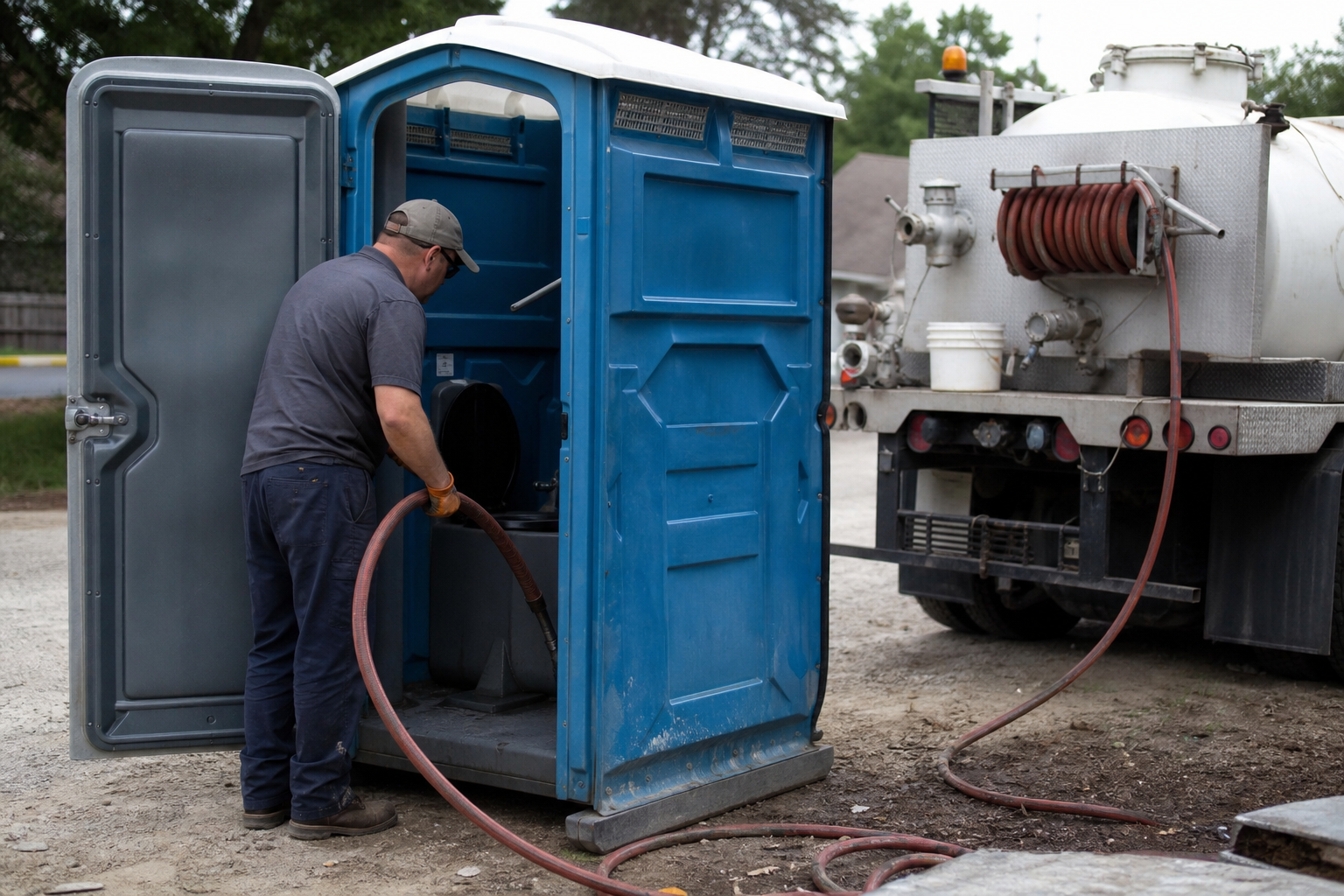
A useful sanitation request includes the number and type of users, project or event duration, preferred restroom setup, handwashing support, expected servicing, and a practical access plan.
The service groups in the service-category cards on this page help with broad choices, while the service options already shown on this page is more useful when you already know the exact rental or servicing need.
Select the Rental Category
When the property is near a boundary or hard to approach, pair the full address with a ZIP code and the most useful street or road reference. A route reference such as Village Parkway, Wood Ranch Parkway, East Brower Avenue, East Currier Avenue, East Fasley Avenue, East Los Angeles Avenue can add context, but the full address is still needed for an availability check.
More helpful information
Confirm the Parts That Can Vary
Truck and service access deserve an early check. Note gates, turns, overhead wires or structures, surface concerns, parking conditions, and any hours when entry is limited.
Before choosing a child service, have these facts ready:
- A nearby road, cross street, entrance, or access cue when useful
- Preferred delivery, setup, service, exchange, or pickup dates
- Project, cleanup, event, or job-site type
- Questions about material, weight, usage, service frequency, or rental terms
- Exact service address and ZIP code
A final check should cover availability, timing, equipment, rental terms, servicing, accepted materials or uses, pickup expectations, and the details used to calculate price.